
Encompass Marketing Group
Your Vision. Our Job!
Looking to automate your marketing? Marketing is one of the most time-consuming tasks for businesses, and it also has been a critical driver of business growth. With the exponential increase in competition, companies need marketing automation software to get results and manage their customer relationships more efficiently than before. Marketing automation software makes it easier for companies to automate repetitive tasks and scale marketing campaigns with minimal human intervention. These seven tips will help you use this technology more effectively to get more out of any marketing automation platform, including higher conversion rates, increased traffic, better rankings on Google, and increased customer engagement with your content.
Why should you use marketing automation?
1. It makes marketing more efficient
Marketing automation helps you turn one-time tasks, like sending emails and updating social media, into automated processes that happen at the touch of a button. Marketing automation also allows you to create complex marketing campaigns with different steps. This reduces the need for employees to manually handle repetitive and time-consuming tasks to meet your goals.
2. You can scale quickly and efficiently
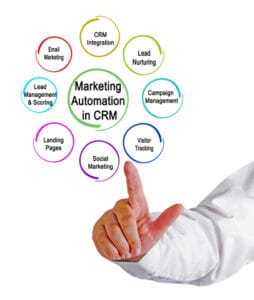 Greater efficiency leads to scalability with marketing automation software. With marketing automation, companies can use less staff during high-demand periods when a significant number of leads are coming in or leads that need a lot of attention – like those who make big purchases or fill out lead forms on your website. Marketing automation software also allows you to scale back on staff during low-demand periods when few leads are coming in or when most of your leads are already “hot” (eager prospects ready to buy).
3. You get more from your content
Content is king in digital marketing – especially if you want to get results from your efforts. Marketing automation software makes it easy for companies to publish content automatically across multiple platforms. So instead of using valuable time trying to post content on all the different places where your audience might be, you can use marketing automation software as an assistant for publishing content across channels like Facebook, Instagram, Twitter, LinkedIn, and Google+ without wasting precious time and resources doing manual work.
The seven tips for effective marketing automation – review the best practices
1. Start with the basics
Contact current customers and get feedback regarding how they made their buying decision.
2. Make sure you have a marketing plan in place before you start
Planning is critical to a successful automated marketing campaign
3. Create automated messages that are relevant and personalized for individuals
The heart and soul of any marketing automation system is the content. Simple, non-technical, and short statements are crucial to your success.
4. Automate your customer journeys
The process is about educating your prospects and getting them ready to interact with your sales team.
5. Find the best times to send email campaigns based on customer behavior
Everything in life is about timing. Every month you will need to review how prospects interact with your messaging and make the proper adjustments.
6. Use marketing automation software to understand how customers interact with your content and what they like
Marketing automation is not only about your prospects. The same tool can be used to get a better understanding of your existing customer’s likes and dislikes
7. Track critical metrics in your automated marketing campaign
Automated systems provide you with tons of data. Understanding this data is key to improving your system
Automate your prospecting
 One of the best ways to effectively use a marketing automation platform is to automate your prospecting. A quality marketing automation platform will allow you to set up a series of automated outbound messages that can be sent automatically when a lead enters your funnel. This speeds up sending business development emails, making it easy for you to send cold emails and outreach messages when appropriate. Plus, email templates with outbound messages help you get started quicker and more efficiently than before.
Pre-qualify leads to increase conversion rates.
One of the best ways to use a marketing automation platform is to pre-qualify leads. When a lead comes in, instead of sending them to a generic form, you can send that lead directly to a sales page or ask them questions about their interest level in your product or service and route them accordingly.
Imagine you have an e-commerce store that sells clothing. You could set up your marketing automation platform, so when someone clicks on one of your ads, they are led to one of your website’s product pages. If they purchase something from that page, you can tag them as a customer in your marketing automation platform, which means you won’t bother them with any other offers. But if they don’t purchase anything and leave the site, then you can contact them with an offer for 10 percent off their next purchase – this way, they know you care and still want their business.
Works when you need it pricing is of little matter
Pre-qualifying leads is an essential part of the process. It allows companies to spend less time chasing prospects who may not convert into customers and more time chatting with more serious buyers. This saves both parties time and money!
Use automated workflows to manage your campaigns and avoid manual errors.

Most digital marketing automation platforms come with a library of automated workflows that help you automate repetitive tasks, such as sending out a monthly newsletter or organizing contests. For example, one marketing automation software provider has hundreds of pre-built workflows to choose from when setting up your marketing campaigns. You can use these templates to send out emails and create reports for you automatically. And because they’re automated, they won’t include any manual errors–a common problem with many small business owners.
Is marketing automation worth it? Build better relationships with customers by using personalized messaging
If you aren’t using marketing automation software, your one-to-one customer relationships may feel more like mass marketing, which is the antithesis of scalable and sustainable growth.
With a channel marketing automation platform, you can get personalized messages to your customers based on their behaviors and preferences, which will help you build better relationships with them. You can also automate many repetitive marketing tasks, which will free up your time to focus on what’s most important: creating strategic campaigns that work to grow your business. Marketing automation platforms Gartner, a research and advisory company, reviewed have all been shown to affect sales and marketing efforts positively.
The best marketing automation platforms – are generally the easiest ones to use
 Marketing automation can be a game-changer for your business. We have tons of marketing automation platforms examples enjoying successful outcomes every day. But as with any powerful tool, if you don’t know how to use it correctly, it can lead to wasted time and frustration. The best software is the one that is designed to help you get the most out of your marketing automation with the least amount of effort. Highly complicated systems are never a good place to start. The first step is to understand how marketing automation can benefit your business. You’ll also gain tips to make the most of automation and avoid common pitfalls. It’s time to ditch the lengthy spreadsheets, unengaged prospects, and long hours spent on tedious tasks. Marketing automation is the way to go!
Marketing automation FAQs
What is the best marketing automation platform?
There are so many choices. We have found that when selecting a marketing automation tool, it is essential to understand the effort and expertise required to maintain it. Our goto choice is free – it is called Mautic.
How do I automate my marketing?
Implementation of any automated system is time-consuming. We guide our clientele through the process, create all the marketing messages, set up all the drips, and maintain the application.
What is CRM Automation vs. Marketing Automation Software?
CRM systems are often used to manage customer relationships after the customers have been identified, acquired, and converted to a customer. Marketing Automation Software is specifically used to mature prospects before they become customers
Why Use Marketing Automation Software?
The numbers say it all: A study by the Annuitas Group reveals that companies using marketing automation to nurture prospects see a 451% increase in qualified leads. Those nurtured leads, in turn, make purchases 47% larger than their non-nurtured counterparts.
The stats are truly impressive: According to Social Media’s Today 2019 State of Marketing Automation Survey report, 75% of all companies already use at least one kind of marketing automation tool. Many who start with just old-fashioned email marketing quickly move to more sophisticated applications.
Do Small Businesses Need Marketing Automation?
Automating the marketing process is critical, especially to small businesses. Often limited resources automated marketing systems provide the team more time to focus on overall strategy and nurturing the leads that show real promise.
Gallery
Happy Client
